Back to news list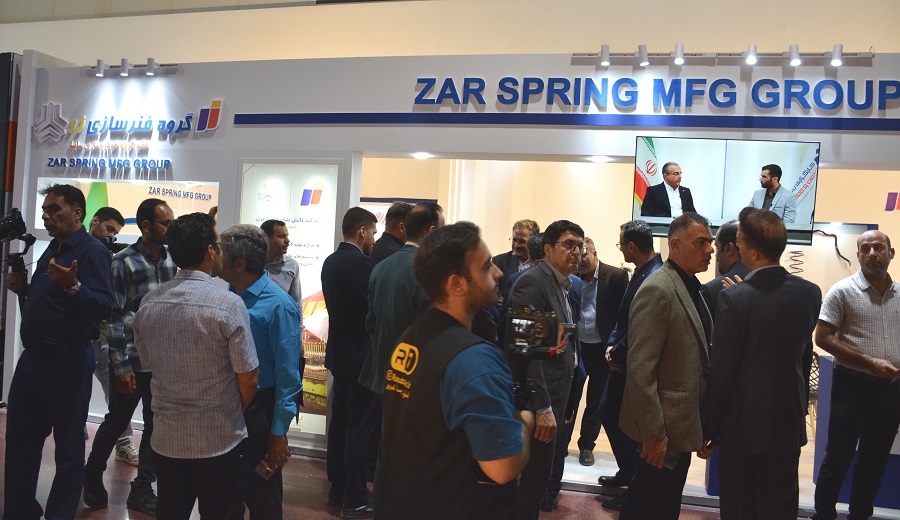
Increasing the Resilience of the Auto Parts Manufacturing Industry Despite Economic Pressures
62 Views October 21, 2026
Category : News
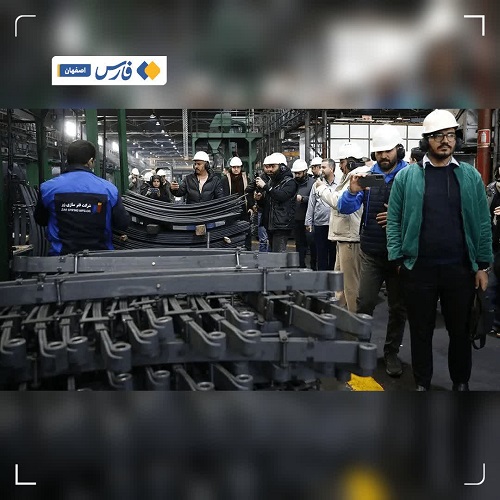
Isfahan – IRNA – Despite challenges related to financing and economic volatility, the nation’s auto parts manufacturing industry has persevered by leveraging domestic production capabilities, localizing raw materials, and expanding export markets. Notably, the presence of parts manufacturers—who achieved approximately 40% growth in product exports this year—has drawn significant attention from industry stakeholders at the 22nd Specialized Exhibition of Auto Parts and Related Industries in Isfahan.
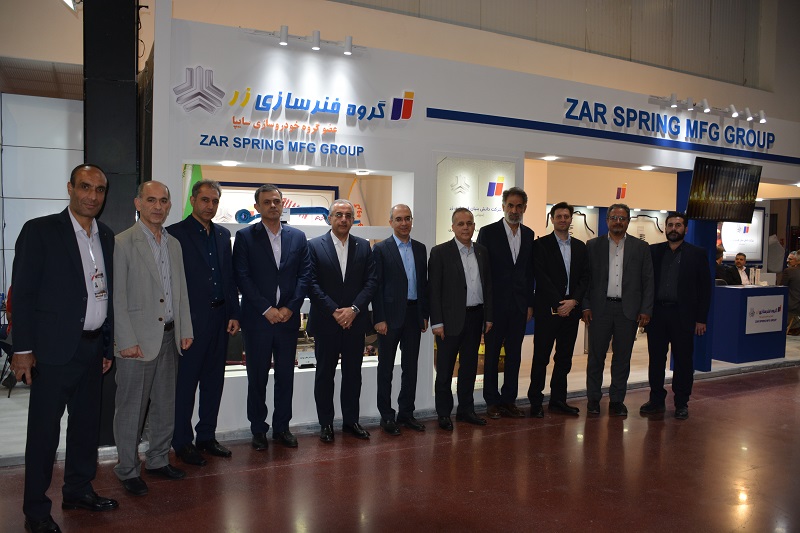
According to IRNA, the 22nd Specialized Exhibition of Auto Parts, Assemblies, and Related Industries opened on Wednesday at the Isfahan International Exhibition Center. The event brings together over 75 participants from various provinces across the country, spanning an exhibition area of more than 6,000 square meters.
The exhibition encompasses various segments of the auto parts supply chain, including the production of engine and electronic components, chassis systems, manufacturing machinery and equipment, workshop tools, and automotive-related services. Additionally, several companies specializing in research, design, and engineering are also in attendance.
Domestic Production Amid Financial Pressures:
Auto parts manufacturing constitutes a vital segment of the country’s automotive production chain. In recent years, the industry has pursued self-sufficiency by localizing both components and raw materials. However, alongside production and localization efforts, securing liquidity remains a persistent challenge for parts manufacturing enterprises.
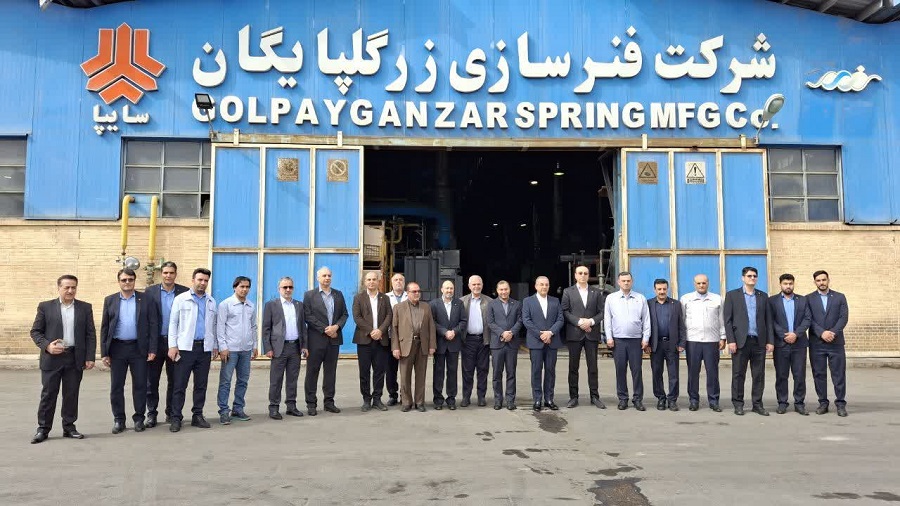
The time lag between the production of a part and receiving payment from the automaker ties up the financial resources of manufacturing units for extended periods; consequently, in some instances, manufacturers are compelled to turn to bank financing to sustain their operations. The CEO of a company operating in the automotive spring manufacturing industry, addressing the status of the firm's outstanding receivables, stated: "Payments from the Saipa Group are received on time; however, the settlement period for receivables from some other domestic automakers can sometimes stretch to between 90 and 120 days."
Farshid Alvand identified the provision of working capital as a primary challenge for the company, adding: "Bank credit facilities have been utilized to help cover a portion of our liquidity requirements."
Exports Alongside Meeting Domestic Demand:
In addition to the domestic market, expanding exports is a strategy pursued by some auto parts manufacturers to broaden their market reach.
According to this executive, the company’s export volume—measured by weight—has increased by approximately 40% this year compared to the same period last year.
He noted that the company’s export markets include CIS countries, Afghanistan, and Iraq, with ongoing negotiations to enter the Turkish market.
Alvand remarked that the growth in exports—occurring while the manufacturing sector faces constraints stemming from sanctions and the economic repercussions of war—demonstrates the efforts of certain parts manufacturers to maintain a presence in foreign markets and reduce their reliance on the domestic market.
Localization of Raw Materials:
Another key issue in the auto parts industry is the procurement of raw materials and the reduction of import dependency. According to Alvand, the raw materials required for this industry have been localized since 2017 (1396 SH), and his company has been sourcing a portion of its needs from domestic production capacity since 2020 (1399 SH).
Alvand stated: "This trend indicates that a segment of the country's auto parts supply chain has worked over the past few years to mitigate the impact of import restrictions by leveraging domestic production capabilities."
Working Capital; The Missing Link in Production:
The issue of working capital can be considered a critical link in the chain of challenges facing the auto parts manufacturing sector. Manufacturers must expend capital—to procure raw materials, pay wages, and cover ongoing operational costs—well before the final product is sold. If the period for collecting receivables (getting paid by customers) becomes prolonged, the gap between expenditure and revenue widens.
In such a scenario, while utilizing bank credit facilities may help sustain production, it also imposes additional financial costs on the enterprise.
Furthermore, delays in receiving payments are not limited to a single firm; if they persist, they can trigger a chain reaction of liquidity crises throughout the auto parts supply chain.
The Exhibition: A Snapshot of an Industry Grappling with Two Realities:
The 22nd Auto Parts and Related Industries Exhibition in Isfahan serves as a venue where two distinct realities of this sector are on display: on one hand, the capacity for production, localization (domestic manufacturing), and the expansion of export markets; and on the other, the persistent challenges regarding financing and working capital.
To maintain production, players in this sector require access to markets, raw materials, and a workforce—yet sustaining their operations proves difficult without the smooth circulation of financial resources.
Over the past few years, the domestic auto parts industry has successfully met a portion of the automotive sector's demand through local production and has even managed to penetrate export markets in certain areas. Nevertheless, removing financing barriers and shortening the time it takes to collect receivables would play a pivotal role in ensuring production stability and expanding the industry's overall capacity.
The 22nd Specialized Exhibition for Auto Parts, Assemblies, and Related Industries is being held at the Isfahan Permanent International Exhibition Center; it is open to visitors until September 12 (Shahrivar 21), daily from 16:00 to 22:00.
Latest News
Major maintenance and integrated overhaul of ZAR Spring production lines during Nowruz holidays
A comprehensive maintenance and overhaul program was carried out during Nowruz
ZAR Spring Group CEO visits Saipa Research Center
Visiting different departments of Saipa Research Center
39Oct 21, 2026